 Ibiene
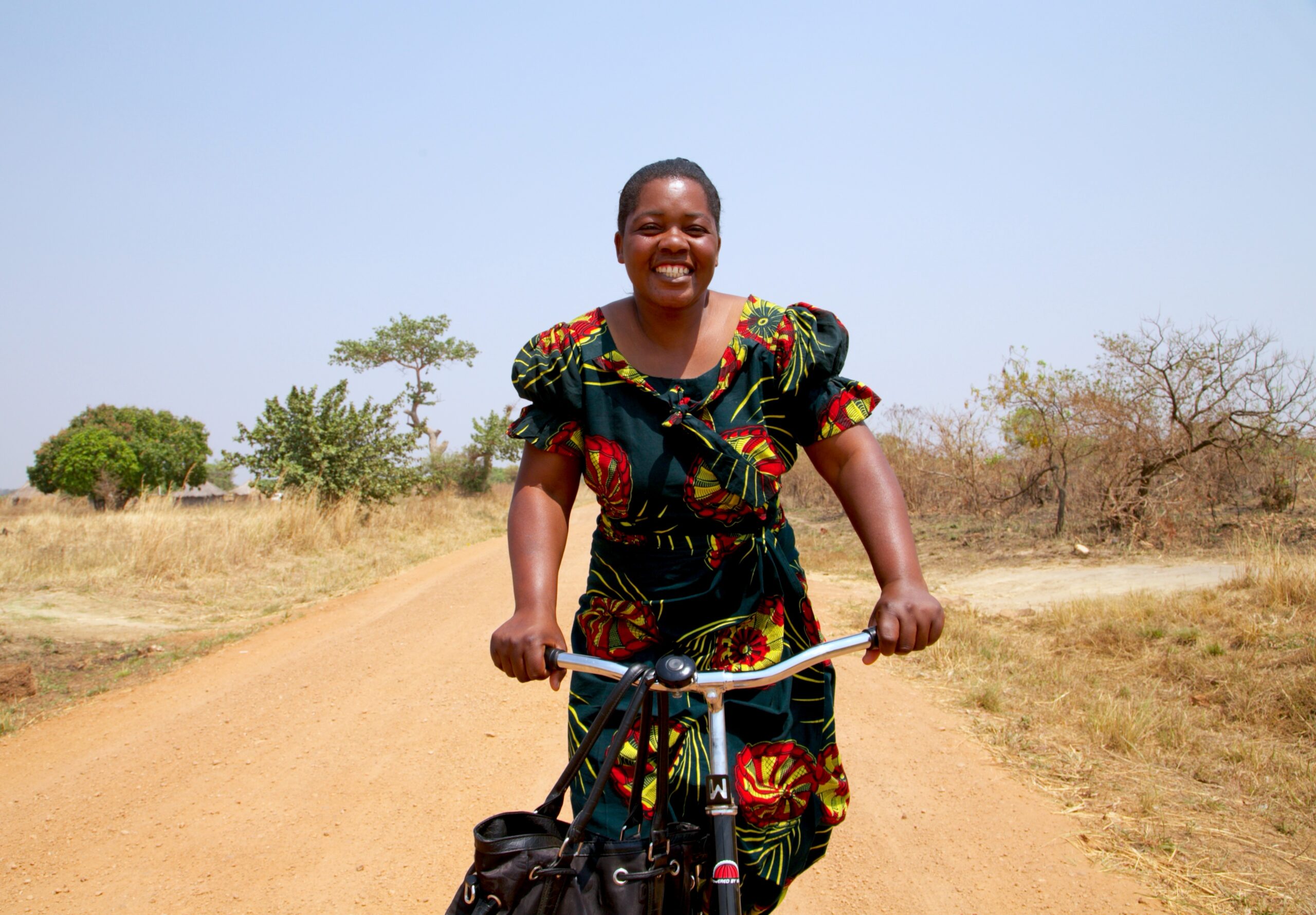
Every culture has its own beautiful, unique customs, and in the mainly farming communities of Damboa, Borno State, Nigeria, the bicycle is more than just transport it’s a powerful symbol of matrimony and empowerment. Far from the traditional wedding lists, here, a brand-new bicycle is the most prized possession a bride brings to her new home.

Firstly, let’s understand the why. This remarkable tradition evolved over the last five decades out of pure practicality. As the population grew and farmland became scarce, people had to travel up to 20 kilometers to their fields. The women of Damboa are exceptionally hardworking, equally committed to farming as the men. The bicycle became the cheapest and most effective way for the new bride to get to the family farm, consolidating her crucial role as a partner and co-labourer. It is a gift of utility from her parents, ensuring her continued productivity.

Furthermore, it is a statement of pride. If a young woman is particularly diligent and saves her own earnings, she may arrive at her husband’s home with two bicycles: one from her parents and one bought with her own money. This is a badge of honor among her peers, a silent boast that she was never lazy during her spinsterhood. Her cycling skills are also noted; a good rider is often admired and seen as a compelling prospect for marriage.

Finally, the practice is a reflection of local life. In Damboa, the bicycle is a versatile tool used not only for daily farm trips but also for attending ceremonies and even accessing vital antenatal care when other transport is unavailable. The Cycling Brides of Damboa aren’t just carrying possessions; they are pedaling into their new lives, equipped with the freedom and means to contribute fully to their homes and communities. It’s a powerful, tangible example of how culture adapts to celebrate and support its women.
Do you have any question or comment? Share with us in the comment section below.


 Ibiene