 Ibiene
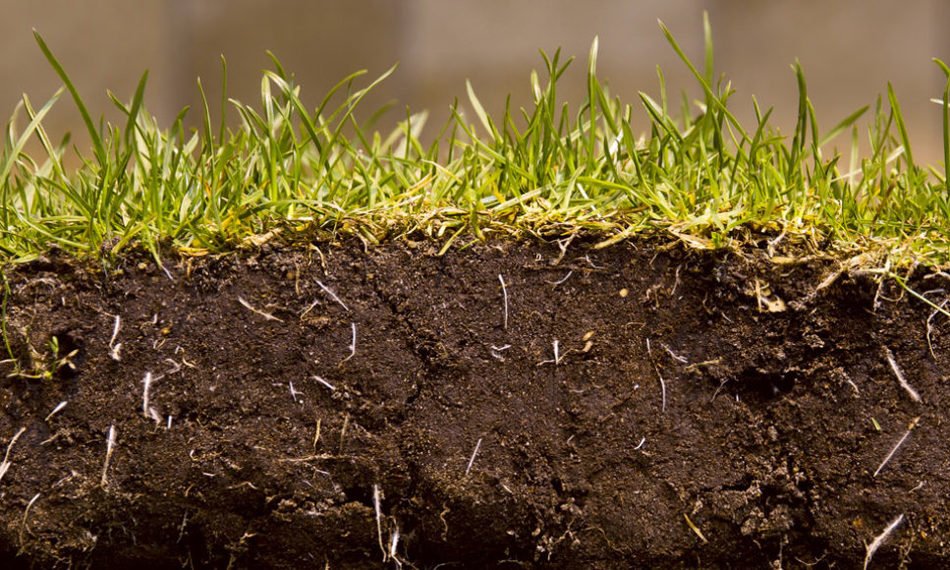
Picture yourself sweeping the compound, crossing a garden or waiting on a city pavement. What lies under your feet? Probably not much, you might think. Your attention is probably on the dust, fallen leaves, traffic or the people around you. But have you ever stopped to consider what lies beneath your feet? Let us start with the ground we keep ignoring. Here are easy ways to notice it.
Look Closer:
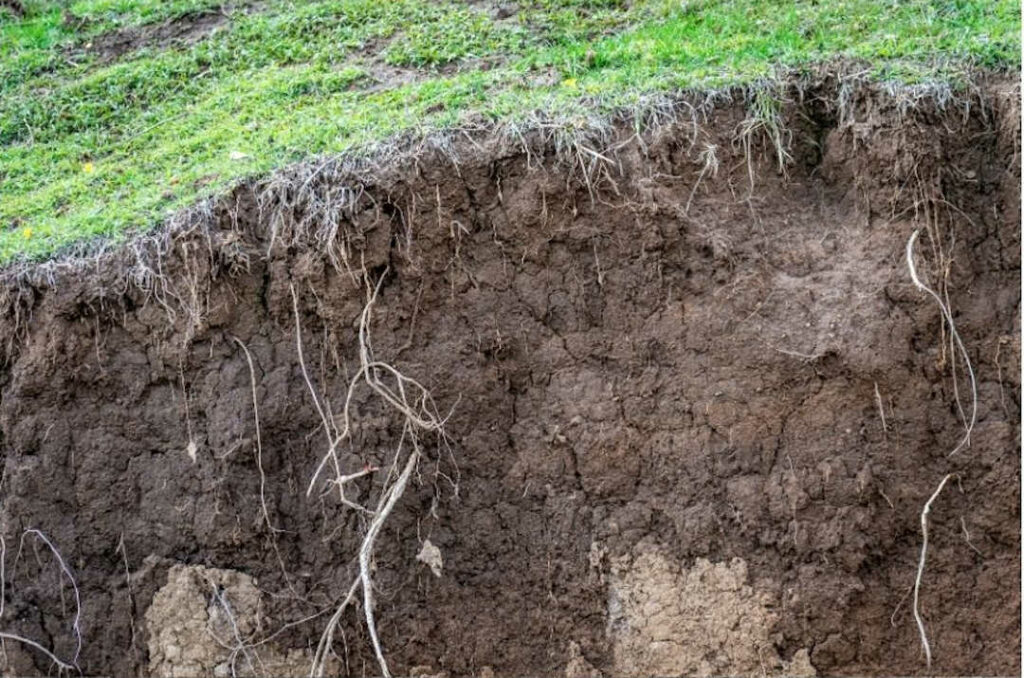
Next time you are in a garden, on a farm or in a park, crouch down and pick up a small handful of soil. Do not just glance at it. Look for thin white roots, tiny insects or a worm wriggling away from the light. Then smell it. Healthy soil usually has a rich, earthy scent, especially after rain. Pale, dusty soil with nothing living in it tells a different story. Even in a busy city, you may spot signs of life. It takes one minute, and you may never look at the ground in quite the same way again.
Meet the Workers:
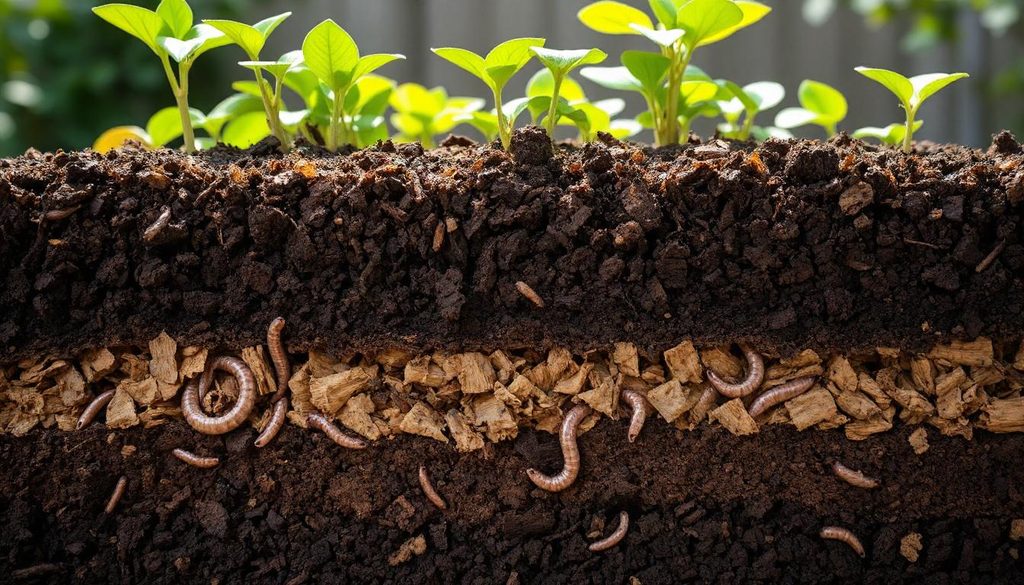
Earthworms, fungi and bacteria are the quiet workers of the soil. When leaves, peelings and old plants fall, they break them down into nutrients that new plants can use. Nobody pays them and few people thank them. You can help them by composting. Collect vegetable peelings, fruit skins and dry leaves in a bin or heap, and let the workers do the rest. Living in a flat? A small covered bucket works well, or you can look for a community compost point nearby. It is a simple way to turn kitchen waste into something useful.
Let the Rain In:
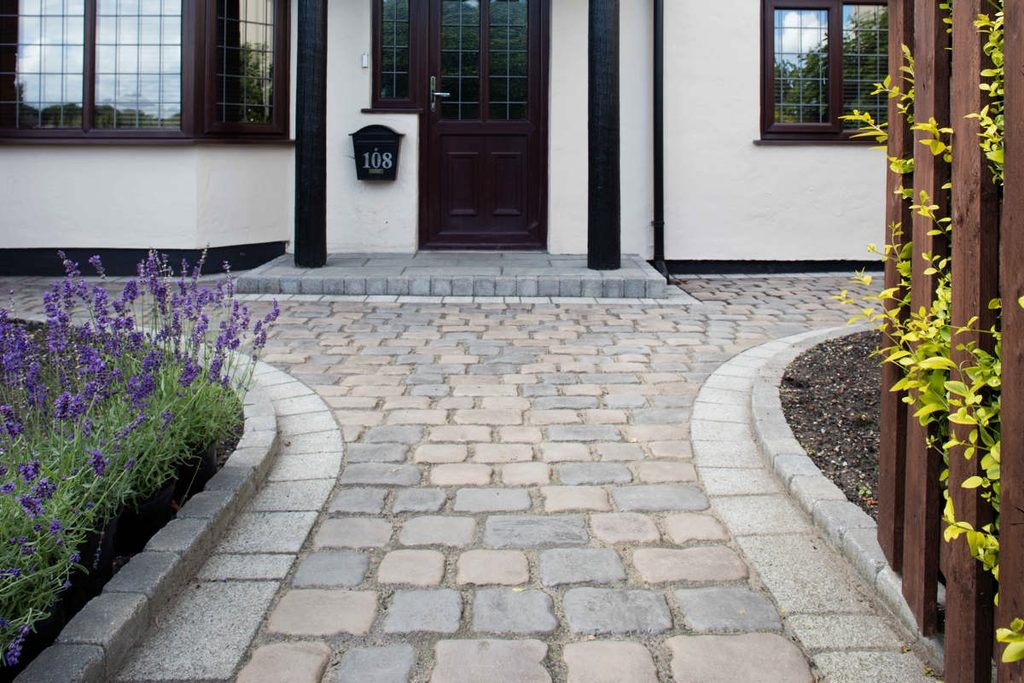
Think about your street, compound or yard. How much of it is covered in concrete or tiles? Hard surfaces are useful, but they stop rain from soaking into the ground. Instead, water runs off, and heavy rain can cause flooding in some places. Where you can, leave patches of bare soil, plant a tree or grow something in a corner. Even small gaps help water reach the earth. If you rent or share a space, talk to your landlord or neighbours about leaving a strip unpaved. You could also support a local planting project.
Mind What You Pour:
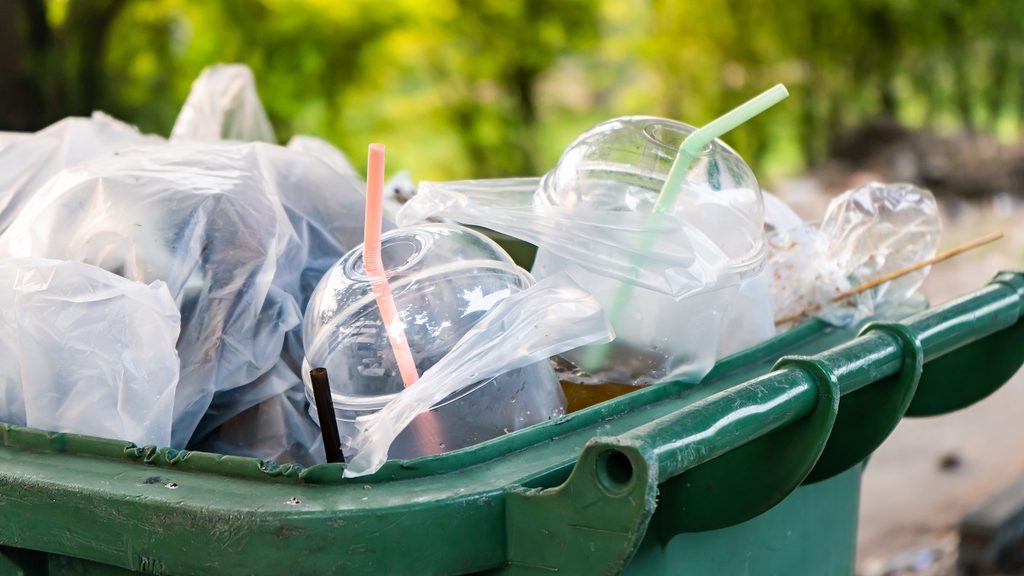
It is easy to tip used cooking oil, engine oil, paint or strong cleaning chemicals onto the ground. Out of sight feels like out of mind. But the ground absorbs what we pour onto it, and these substances can harm the life that lives there. Ask your local council or a trusted mechanic where to take used oil. Use gentler cleaning products near plants and gardens. Put plastic in the bin rather than burying it, because it does not break down quickly. These small habits protect a world you may never see.
Start With Your Plate:
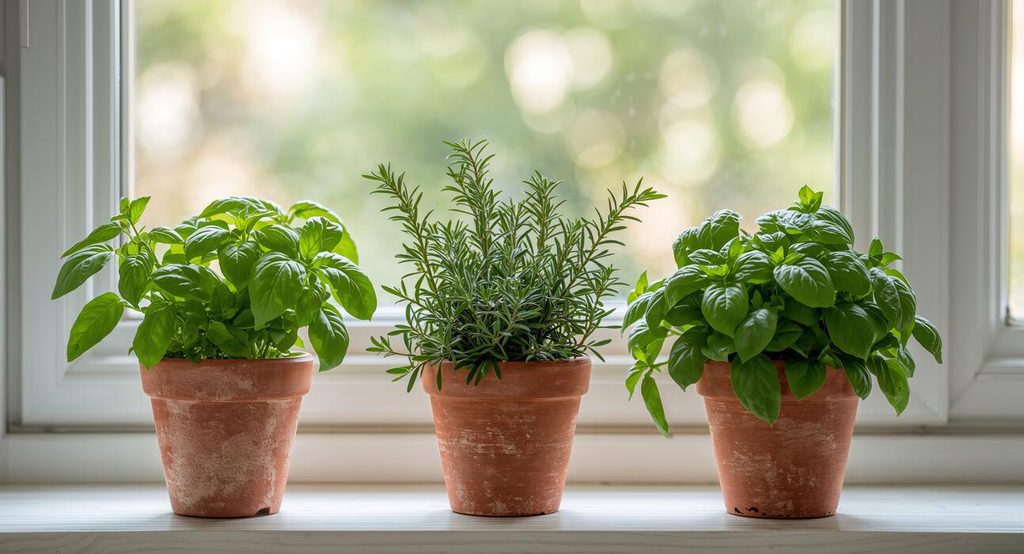
Every meal begins in the ground. Rice, yam, maize and tomatoes all grow from soil, yet we rarely connect what is on our plates with the earth below. Try buying from growers who care for their land, and ask market sellers where their produce come from. You can also grow something yourself. A pot of herbs on a windowsill is enough to start. If you have bare soil, cover it with mulch, such as dry leaves or straw. It protects the earth from harsh sun and heavy rain.
The ground is not merely a surface for buildings, roads and footsteps. It is a living system that supports our food, ecosystems and communities. We ignore this world every day, but it never stops working for us. So lets collectively commit to the question collectively “what will we do for the ground you stand on today and always?
Do you have any question or comment? Share with us in the comment section below.


 Ibiene


2 comments
Down to earth: the world below humans ignore
I love this topic so much.
Have you ever stopped to think about how much life exists beneath your feet? This topic gives us plenty to reflect on!