 Ibiene
Have you ever tasted something that made you ask, Why did nobody tell me sooner? That is how many cooks feel when they meet African ingredients. Chefs, home cooks, and food lovers around the world are discovering them, and the reasons are simple: bold flavour, interesting texture, and versatility. Here are five ways to begin.
Fonio:
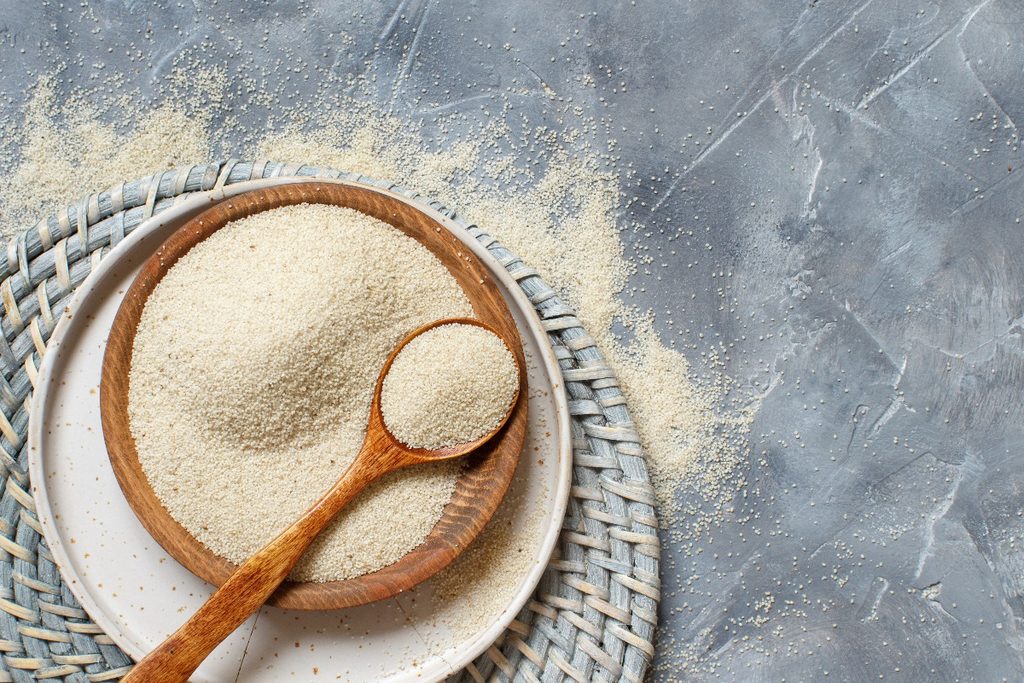
Fonio is a tiny grain grown in West Africa. It is much smaller than rice or couscous, and it cooks in just a few minutes, which suits busy evenings. Follow the packet instructions, as methods vary slightly, then fluff it with a fork. Serve it warm beside grilled fish or vegetables. You can also let it cool and toss it into a salad with herbs, lemon and olive oil. Its mild, nutty taste lets other flavours shine.
Berbere:
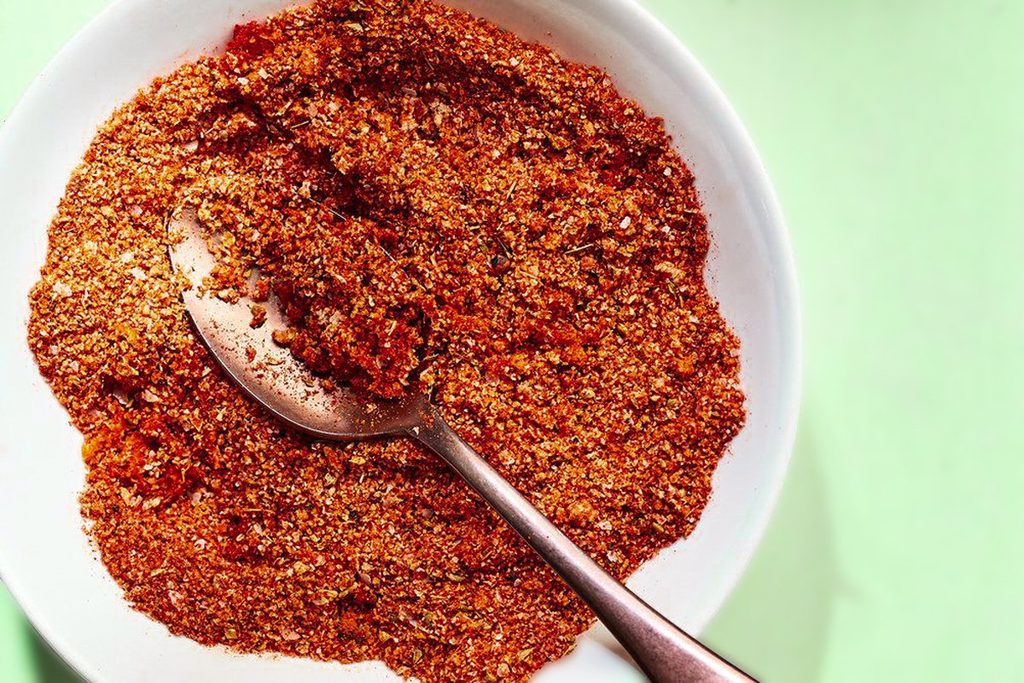
Berbere is a spice blend from Ethiopia and Eritrea. Its base is chilli, usually joined by warming spices such as ginger and fenugreek, though every cook has their own recipe.It can be hot, so begin with half a teaspoon. Stir it into lentil stews, rub it onto roasted vegetables or chicken, or mix it with a little oil to make a quick marinade. Taste as you go and add more slowly.
Egusi:
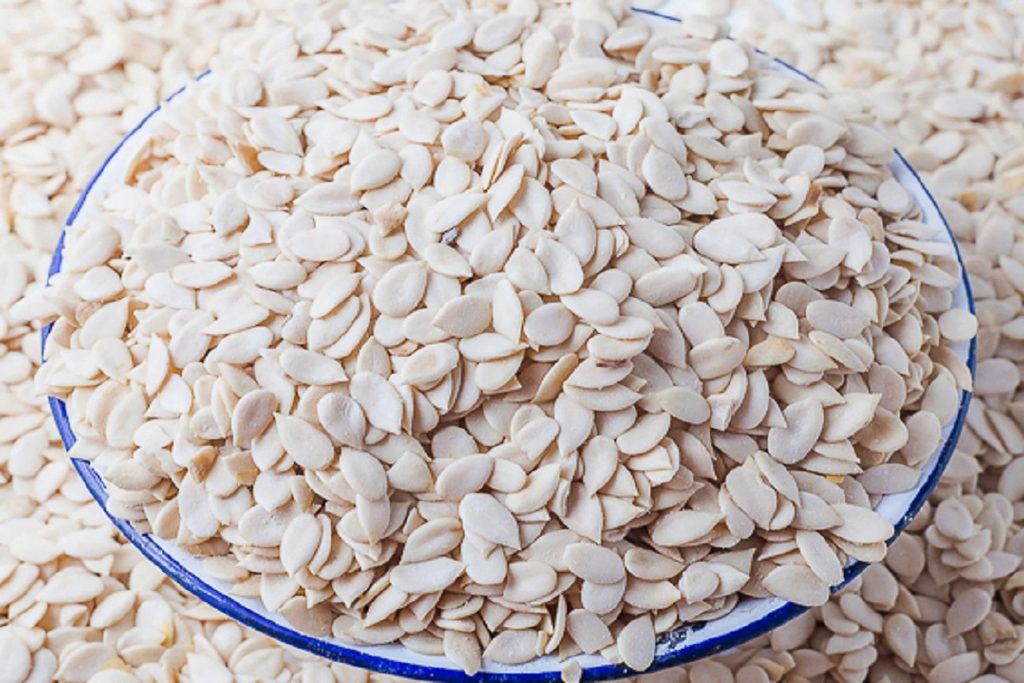
Egusi are the seeds of a type of melon grown in West Africa. Once ground, they thicken soups and stews and give them a rich, nutty taste. Egusi soup is a much-loved dish in Nigeria, often cooked with leafy greens and meat or fish. You can find the seeds in African grocery shops and some online stores. If you are new to them, buy them ready ground to keep things simple.
Baobab:
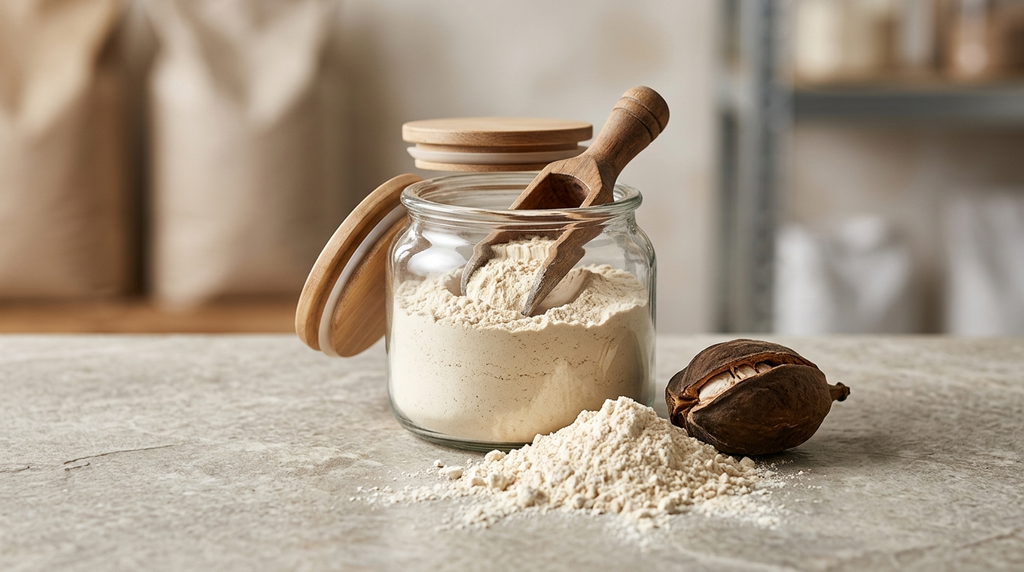
Baobab powder comes from the dried fruit pulp of the baobab tree, which grows across much of Africa. It tastes pleasantly tangy and sharp.
Stir a teaspoon into smoothies, yoghurt or porridge, or mix it into water with a little honey. Start small, as the sourness can surprise you. Keep the powder in a cool, dry place with the lid tightly closed. Mix it into water with a little honey.
Brew hibiscus:
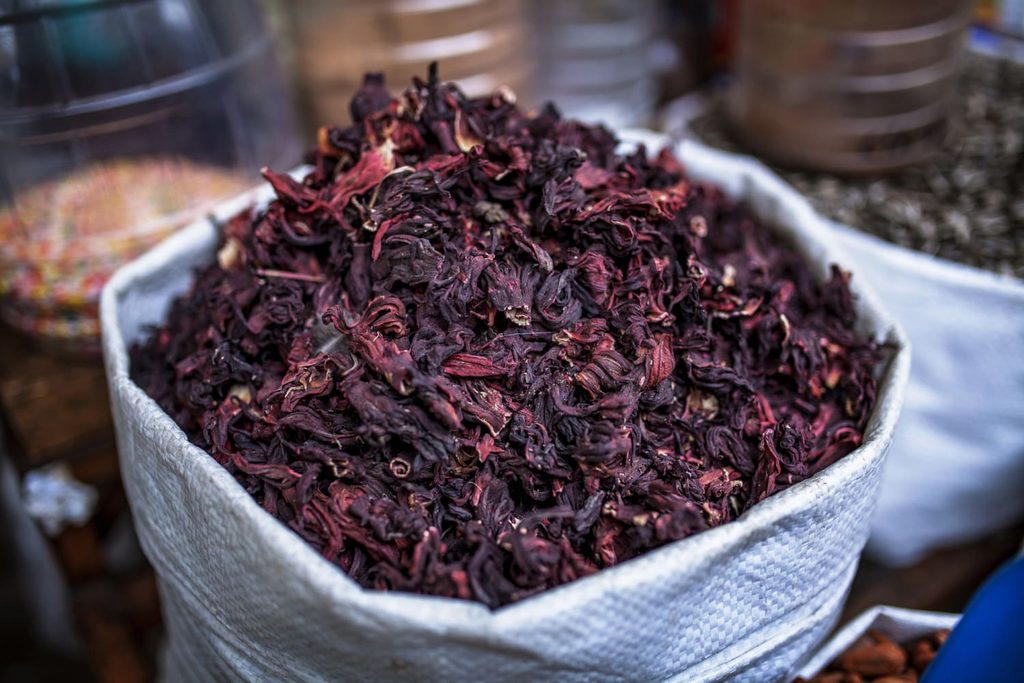
Dried hibiscus petals make a deep red drink called ‘zobo’ in Nigeria and ‘bissap’ in Senegal. Rinse the petals, steep them in hot water, then strain. Sweeten it to taste, and add ginger, mint or a slice of orange if you like. Serve it chilled over ice. It is easy to make in a large jug, so it’s great for sharing.
None of these ingredients are new. Many have long been part of African kitchens. What is changing is who gets to taste them. Next time you pass a market stall or a shelf of unfamiliar packets, stop and look closer. Pick one ingredient, read how it is used and cook with it. You may find that a flavour you had never heard of becomes a regular in your kitchen. Good food often begins with simple curiosity.
Do you have any question or comment? Share with us in the comment section below.


 Ibiene