Ibiene
Every year on February 10th, the world comes together to celebrate World Pulses Day, recognizing the power of pulses.
So what are pulses and why these tiny seeds deserve a special day?
Let’s find out!
What Are Pulses?

Pulses are edible seeds from legume plants, packed with protein, fibre, and essential nutrients. Unlike other legumes, pulses are dried before consumption. Common examples include black beans, kidney beans, chickpeas, and other peas. They are affordable, nutritious, and sustainable food sources.
Why Are Pulses So Healthy?

Pulses are nutritional powerhouses. They are rich in protein, making them a great alternative to meat. Pulses also contain fibre, which aids digestion, and essential minerals like iron, magnesium, and potassium. Pluses, they are low in fat and gluten-free, making them suitable for almost every diet.
Pulses and Sustainability:

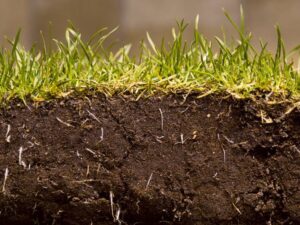
Growing pulses requires less water than other crops, and they enrich the soil by naturally fixing nitrogen, reducing the need for chemical fertilisers. This makes them an eco-friendly food choice that helps fight climate change.
Pulses in Everyday Meals:

From hummus which is made from chickpeas to bean stews and lentils curries, pulses can be used in countless recipes. They are versatile, tasty and easy to prepare. The recipe’s are also easy to follow.
How You Can Celebrate World Pulses Day:

You can join the celebration by trying a new pulse-based recipe, learning about their health benefits, or supporting local farmers who grow them.
World Pulses Day is a reminder that small foods can have a big impact. Whether for your health or the planet, incorporating more pulses into your diet is a simple yet powerful choice!
Do you have any question or comment? Share with us in the comment section below.


 Ibiene