 Ibiene
There is something almost magical about the scent of fresh bread wafting through a kitchen, but for many of us, the idea of baking a French loaf from scratch feels like trying to master a complex craft overnight. We often imagine fancy equipment and temperamental starters, when the reality is far humbler: French bread is essentially just a balance between flour, water, salt, and yeast. You don’t need a professional bakery or a chef’s hat to turn your countertop into a Parisian boulangerie; you just need a little patience and a willingness to get your hands a bit dusty. It’s all about that satisfying, golden crackle of the crust and the soft, airy heart inside that makes the whole process feel less like a chore and more like a warm hug for your senses.
To help you master this satisfying craft, here are essential tips to guide you through the process of baking your very first perfect baguette.
Check that your yeast is alive and active:

Before you start mixing your flour, you must ensure your yeast is working properly. Mix your yeast with warm water and a tiny pinch of sugar. If the mixture becomes foamy and bubbly after ten minutes, you are ready to go. If it stays flat, your yeast is likely old and your bread will not rise. This first step is vital because it determines the entire texture of your loaf. Taking the time to prove your yeast ensures that your bread will be light and airy rather than a heavy brick.
Master the art of patient kneading:

Kneading is the process of stretching the dough to develop gluten, which gives the bread its structure. You should knead your dough on a lightly floured surface for at least ten minutes until it feels smooth and elastic. If you stop too early, your bread will be crumbly and weak. You can tell it is ready when you poke the dough and it springs back quickly. This physical work is what transforms a sticky mess into a beautiful, strong dough that can hold air and expand in the oven.
Allow the dough to double in size:

Once your dough is kneaded, place it in a greased bowl and cover it with a damp cloth. You need to leave it in a warm, draught-free spot until it has doubled in size. This usually takes about one to two hours depending on the temperature of your kitchen. This stage is called the first rise, and it is where the flavour really develops. Do not rush this part of the process. A slow rise creates a much better taste and a more professional interior texture that makes your homemade bread stand out.
Shape your baguettes with gentle hands:

After the first rise, gently punch the dough down to release the air. Divide it into long, thin shapes on a baking tray. You want to handle the dough carefully so you do not squeeze out all the bubbles you just created. Roll the dough into cylinders and taper the ends slightly for that classic French look. Once shaped, let them rise again for another forty minutes. This second rise ensures that the bread stays light and gives it that iconic long shape that everyone loves to tear and share.
Create steam for a golden crispy crust:

Professional bakers use steam to get that famous crunchy crust. You can do this at home by placing a shallow pan of water on the bottom rack of your oven while it preheats. The moisture in the air keeps the surface of the dough soft for longer, allowing it to expand fully before the crust hardens. This creates a thin, crackly exterior that contrasts perfectly with the soft middle. It is a simple trick that makes a massive difference in the quality of your finished bake.
Score the top before baking:

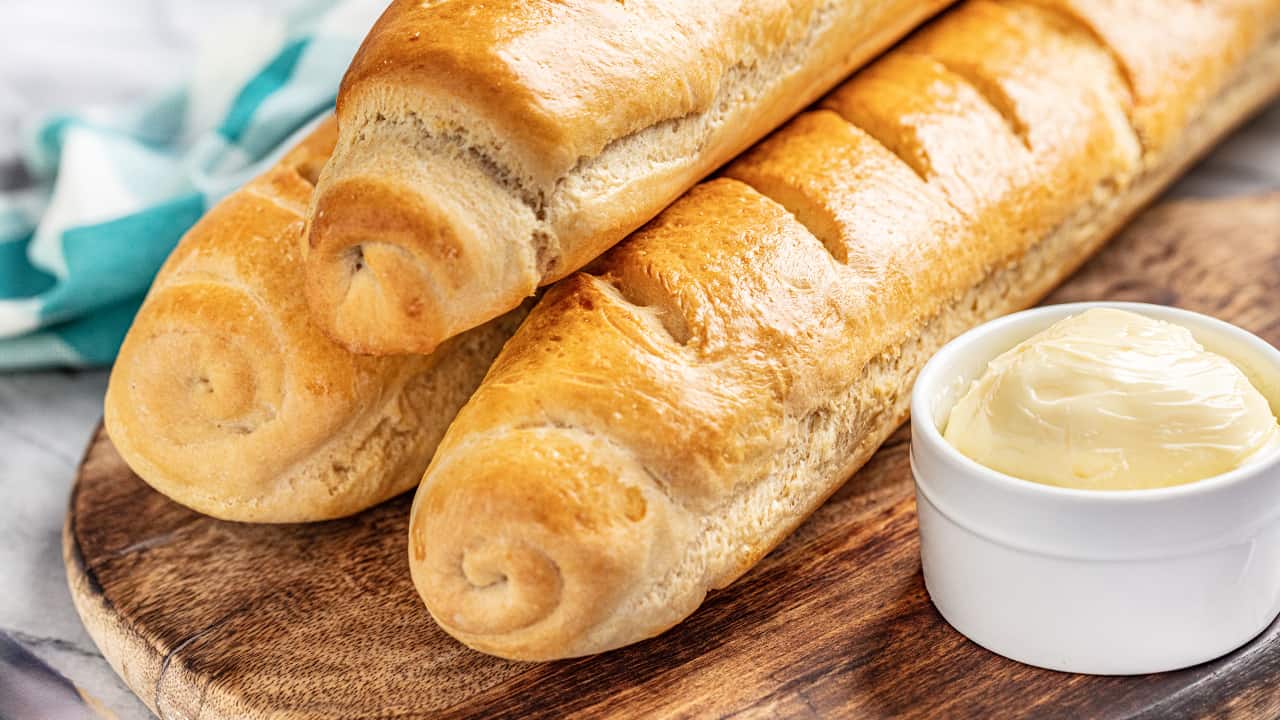
Use a very sharp knife or a razor blade to make three or four shallow, diagonal slashes across the top of your loaf. This is called scoring. It allows the bread to expand in a controlled way so it does not burst at the sides. It also gives the bread its professional, artisan appearance. Make sure your oven is very hot before you put the bread in. The high heat combined with the scores will give your loaf that beautiful, rustic look that makes it look like it came straight from a bakery.
Baking your own French bread is a rewarding experience that connects you to an ancient tradition of simple, honest food. Once you taste the difference of a loaf you made with your own hands, you might never want to go back to store-bought bread again.
Do you have any question or comment? Share with us in the comment section below.


 Ibiene