 Ibiene
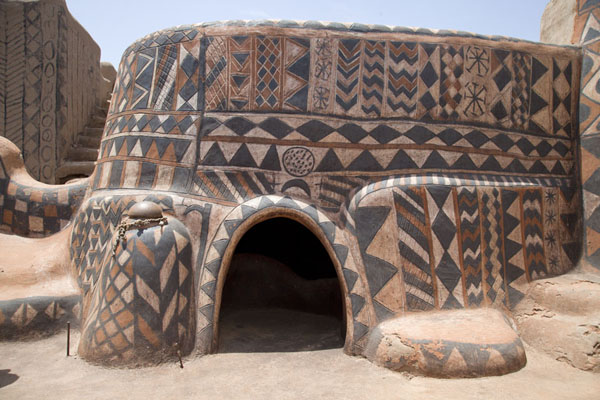
What if your idea of decorating your space with a simple coat of paint from a local shop and choosing colours that match our modern furniture isn’t all that there is to managing your home or office? A quiet village in Burkina Faso is about to teach you a whole new level to decoration. They are called the Kassena tribe who turn their entire mud homes into beautiful canvas designs that tell ancient family stories. This unique form of architecture blends daily life with traditional art, transforming simple walls into defensive family records.
Understanding how these incredible structures are built and maintained reveals a deep connection to community heritage.
Understand the unique materials:

The base of each building relies entirely on a precise mix of local clay, straw, and cow dung. This natural combination creates surprisingly thick walls that keep the interior rooms cool during the blistering hot African afternoons. Men take full responsibility for building the strong mud shells, ensuring the structural shapes stand firm against the harsh climate before any decorating begins.
Learn the female role:

While men focus on the heavy construction work, the women take complete control of the intricate painting process. This artistic duty is a communal activity where older generations pass down traditional techniques to younger girls. Working together under the sun, they transform plain earthen surfaces into highly complex galleries of cultural pride.
Decipher the geometric symbols:

Every single shape painted onto the earthen walls carries a specific meaning that tells a story about the family living inside. Common patterns include stars, arrows, and complex geometric lines that can indicate a person’s social standing or history. Walking through the village feels like reading an open history book written across the architecture.
Master the protective glaze:

The brilliant white paint comes from local chalk, while the black sections use a special dark mud mixture. After finishing the detailed patterns, the women coat the entire surface with a natural liquid made from boiled locust bean pods. This organic lacquer protects the artwork from torrential seasonal rainstorms.
Explore the defense structures:

The physical design of the houses serves a practical defensive purpose alongside the beautiful decorations. Doors are built very low to the ground, forcing any entering individual to bend down awkwardly. This architectural feature was intentionally designed to prevent historical enemies from rushing inside the family home unexpectedly.
Appreciate the seasonal cycle:

This painstaking decoration process is not a one-off project meant to last forever. The intense weather conditions mean that the community must reapply the painted designs after every annual harvest season. This constant maintenance keeps the artistic traditions vibrant and ensures the community stays deeply connected.
The artwork of Tiébélé shows us that a home can be much more than just four plain walls and a roof. It can serve as a canvas for our history, a protection against the elements, and a way to bring people closer together. Taking a moment to appreciate these mud structures reminds us of the universal human desire to create spaces that truly tell our stories.
Do you have any question or comment? Share with us in the comment section below.


 Ibiene