Ibiene
The Moroccan tagine is a culinary symbol of North Africa, a dish as vast and varied as the desert that inspires its flavours. Named after the traditional clay pot in which it is slow-cooked, the tagine represents a cornerstone of Moroccan cuisine, blending tender meats, vegetables, and a rich medley of aromatic spices.
This piece explores the journey of the tagine, from its ancient origins in the desert to its status as a celebrated dish found on dinner tables and restaurant menus worldwide. Beyond a simple recipe, it is a look into the history, culture, and communal tradition that makes the Moroccan tagine a taste of the Sahara itself.
The Moroccan Tangine vessel:

Traditionally, steam is trapped by the conical lid to produce moist results. The shape of the pot retains textures soft and returns condensation. For cooking indoors, ceramic versions are glazed and seasoned as needed.
Spice harmony:

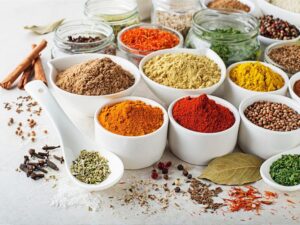
Also, spices shape the Moroccan Tangine: cumin, saffron, turmeric and cinnamon. Families often add preserved lemon and dried fruit for balance. Moreover, each household keeps a secret blend handed down through generations. Consequently, the right balance prevents any one spice from overwhelming.
From market to pot:

Shoulder cuts are frequently used by chefs for lengthy, delicate cooking. In the meantime, merchants manually weigh herbs, apricots, and olives. For maximum freshness and shelf life, purchase produce at sunrise. For bright notes, use a few olives and preserved lemons.
A dish for sharing:

Consequently, a Tangine sits centre stage for communal eating. Guests break bread and pass bowls in a warm ritual. Sharing food binds families and stories. Moreover, the meal encourages long conversation and late nights.
Modern variations:

However, ovens and slow cookers copy the pot’s steam effect. Still, authentic clay pots lend nuance few tools can match. Chefs plate Tangine courses, pairing them with couscous and salads. Consequently, twists give Tangine a distinct local character.
Finally, the Moroccan Tangine is patient, fragrant and social. Share the recipe, and story, across tables. Enjoy a Moroccan Tangine to taste tradition tonight today.
Do you have any question or comment? Share with us in the comment section below.


 Ibiene